Comforters are a key component of a restful sleeping environment, providing warmth and an even loft without adding bulk. In this category, emphasis is placed on fill type, warmth rating, and construction quality to support varied sleeping preferences. Understanding ISO-down standards, fabric weave, and fill power helps determine which comforter best aligns with sleep needs and climate considerations. Keywords: bedding, organic mattresses, latex.
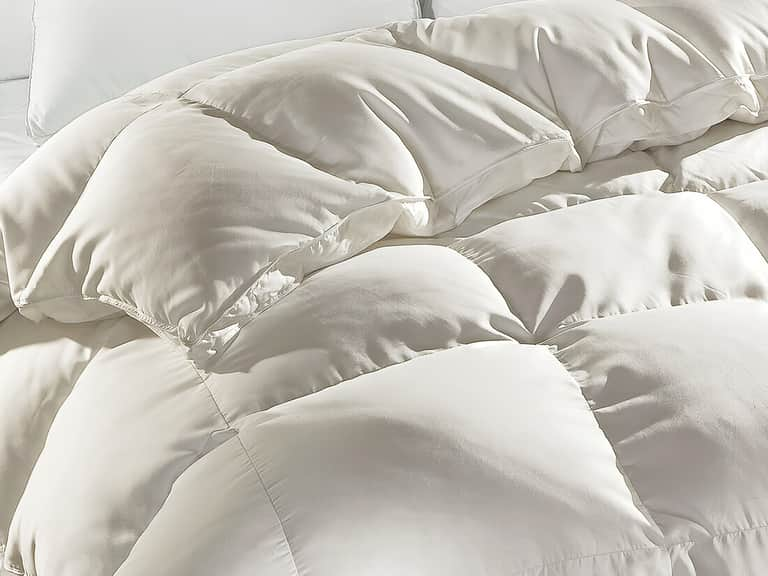
The Clean Bedroom Manhattan Goose Down Comforter exemplifies high-performance insulation with a responsibly sourced goose down fill and meticulous stitching to prevent cold spots. Its baffle-box or box-quilt construction minimizes shifting, maintains uniform warmth, and enhances durability over time. This type of comforter is particularly suitable for those seeking lightweight warmth and breathability.
When evaluating comforters, fabric shell choice influences comfort, longevity, and allergen resistance. Natural fibers like cotton or sateen blends improve moisture wicking and surface feel, while tightly woven shells reduce feather leakage. Compatibility with duvet covers and corner ties also affects usability, ensuring secure layering with existing bedding systems.
Warmth ratings, fill power, and loft correlate to climate and sleep preferences; moderate loft suits three-season use, while higher fill power offers enhanced warmth for cooler environments. Regular maintenance, including gentle laundering and proper drying, preserves loft and prevents clumping. This educational overview supports informed decisions aligned with personal comfort and sleep quality.
In addition to goose down, awareness of alternative fills such as organic materials and latex-infused fibers extends the range of comforters available for sensitive sleepers. Understanding ethical sourcing, hypoallergenic properties, and thermal regulation helps users select bedding that harmonizes with health goals and bedroom conditions, from temperature control to air quality considerations.
 Bedding