Bedding · Sleep & Wellness
What Makes an Organic Mattress? Materials, Certifications, and Care
An organic mattress is defined by more than a natural-sounding label. Its materials, manufacturing, and independent certifications all matter—and so do the less glamorous questions of comfort, upkeep, and how long the bed is likely to serve.
A mattress makes its case quietly. It does not announce, at bedtime, where its cotton was grown or how its foam was made. It simply supports the body, gathers warmth, releases it, and asks to be left alone until morning. Yet for people choosing an organic mattress, the unseen details are often the point. What is in the layers? What does “organic” mean in this particular context? And which parts of a certification apply to the mattress as a whole, rather than to one material inside it?
The answers can be less tidy than the labels suggest. “Natural,” “eco-friendly,” and “organic” are not interchangeable terms, and a mattress may include materials with different origins and standards. A careful evaluation therefore starts not with the name on a hangtag, but with construction: the layers, their function, their sourcing, and the evidence offered to support each claim.
Organic is a claim about materials and standards
In ordinary conversation, organic may mean something broadly wholesome or close to nature. In product labeling, it should mean something more specific. Organic certification generally concerns the way a particular agricultural material is grown and processed under defined requirements. For a mattress, that might apply to cotton used in a cover or batting, or to wool used as a comfort layer. It does not automatically certify every component, every factory process, or the finished mattress as a single unit.
This distinction is easy to overlook because a mattress is a composite object. Its cover may be cotton; its cushioning may combine wool and latex; its support core may use a different material; and its adhesives, fire barrier, or other components may have separate specifications. A headline claim can be accurate for one component while leaving the rest of the construction undescribed. The useful question is not merely, “Is it organic?” but, “Which materials are certified, under what standard, and what else is in the mattress?”
That is not an argument against organic materials. It is a reason to read claims precisely. A transparent maker should be able to identify the materials by layer and explain the scope of any certification. If a label is broad but the supporting details are hard to find, the gap itself is useful information.
The principal materials, and what they do
Materials are not merely an ethical or environmental consideration; they shape how a mattress feels. A layer that cushions pressure is performing a different task from one that supports the body or regulates the surface climate. The same material may feel quite different depending on its thickness, density, processing, and position in the construction.
Natural latex: resilient support and a responsive feel
Natural latex is made from rubber tree sap, processed into a resilient foam. In an organic mattress, it may be used in a comfort layer, a support core, or both. Latex tends to recover its shape readily when weight is removed, giving it a buoyant, responsive feel rather than the slower contouring associated with some other foams. That quality can make movement across the mattress feel easier, though personal comfort depends on the complete design, not on the material name alone.
“Natural latex” does not necessarily mean that every part of a latex layer is certified organic. Look for documentation that identifies the percentage and type of latex, the applicable certification, and whether the claim concerns the raw material, the processing, or the finished component. Manufacturing methods such as Dunlop and Talalay describe different production approaches; they are not, by themselves, organic certifications. Nor does a method guarantee a particular comfort level without considering firmness, thickness, and how the layer is paired with others.
Latex can be durable, but durability is not a promise that every mattress will feel unchanged indefinitely. The surrounding cover, the support structure, the sleeper’s weight and habits, and the quality of construction all contribute to service life. A useful materials description should help a reader understand what the layer does, not ask a label to do all the explaining.
Wool: cushioning, moisture management, and a natural barrier
Wool is used in mattresses as batting or padding, often near the surface. It can add a springy, gently cushioning feel and help manage moisture and temperature at the sleep surface. Wool is also used in some mattress constructions as part of a fire-barrier strategy. Its presence, however, does not tell the whole story: quantity, placement, processing, and sourcing all matter.
When a mattress makes an organic-wool claim, check whether the wool itself is certified and whether that certification applies to the finished material or a particular stage in its production. Wool can be described as natural without being certified organic. Animal-welfare and land-management standards may also be distinct from organic certification, so a shopper who cares about those questions should look for the relevant documentation rather than assuming one label answers all of them.
Wool is not generally a layer to launder at home. It is enclosed within the mattress, and soaking or aggressive cleaning can damage the construction. For ordinary care, prevention—using a suitable protector and responding promptly to small spills—is more sensible than attempting a deep clean of the mattress interior.
Organic cotton: the cover and the layers beneath it
Cotton may appear as the outer fabric, as batting, or in more than one layer. A cotton cover has a direct role in how the mattress feels against sheets and how air and moisture move at the surface. Cotton is also an agricultural material, which makes it a common subject of organic certification. Yet the phrase “organic cotton cover” should be read literally: it may describe the cover fabric, not every textile or component in the mattress.
Construction matters as much as the fiber. A tightly woven cover, a quilted panel, and a simple knit surface will have different textures and flexibility. The fabric can influence the initial impression of softness, but it should not be confused with the deeper support provided by the mattress layers. Likewise, a certified cotton cover does not establish that the mattress contains no synthetic materials elsewhere.
Care instructions for the cover are especially important. Some mattress covers are removable and washable; others are not intended to be removed at all. A zipper is not an invitation to dismantle the mattress. Before buying, confirm whether the cover can be cleaned, whether a protector is recommended, and what the maker says about spills and stains.
How to interpret mattress certifications
Certifications are valuable because they can replace an unverified marketing statement with a standard and a means of checking compliance. They are not all-purpose seals of approval. Each has a scope: it may address the agricultural origin of a fiber, chemical emissions, ingredient composition, or a manufacturing process. A certification for one material should not be treated as proof that the whole mattress meets every environmental or health preference.
For example, a textile certification may apply to organic fiber processing and chain-of-custody requirements, while a separate emissions standard may evaluate substances released by a finished product. A certification associated with latex may concern the latex component rather than the cover or other mattress layers. The precise standards and requirements can change, so readers should consult the certifying organization’s current information and verify that the certificate or listed product is relevant to the mattress under consideration.
Rather than memorizing a collection of logos, ask four practical questions:
- What is certified? Is the certification for the cotton, wool, latex, a component, or the complete mattress?
- Who issued it? Is the certifying body independent, and can its criteria be reviewed?
- Can the claim be verified? Is there a certificate number, current listing, or clear documentation tied to the product?
- What remains outside the claim? Are adhesives, fire barriers, backing fabrics, or other materials described separately?
The most trustworthy product information is specific enough to invite these questions. It names the materials and their positions in the mattress, distinguishes certified from non-certified components, and avoids implying that one logo settles every concern. A retailer or manufacturer should be able to explain the construction without relying on the reader to infer it from a photograph or a slogan.
Comfort is not certified by a label
Even a mattress with thoroughly documented materials may not suit a particular sleeper. Organic describes sourcing or standards; it does not indicate whether the surface will feel firm, whether the shoulders will be comfortably cushioned, or whether the support is appropriate for a person’s preferred sleep position. Those are separate questions, and they deserve equal attention.
Firmness language is not perfectly standardized. One maker’s “medium” may feel different from another’s, and the same bed can feel firmer or softer depending on body shape, weight, and the structure below it. A showroom trial can be helpful, but a few minutes lying on a display model cannot reproduce a full night’s sleep. If an at-home trial is offered, read its duration, return conditions, and fees before treating it as a guarantee.
Consider support and comfort as related but distinct. The upper layers influence pressure relief and surface feel; the deeper structure helps maintain a stable sleeping surface. A mattress should allow the body to rest in a comfortable position without requiring a person to accept discomfort in exchange for a material claim. When possible, assess the mattress with the foundation or bed frame intended for use, since a base can affect support and compatibility.
Construction, longevity, and the question of value
Organic materials can be part of a durable mattress, but the word organic does not itself guarantee a long lifespan. Durability depends on the resilience and thickness of the layers, the quality of the assembly, the support system, and how the mattress is used. It also depends on whether the maker offers clear care guidance and stands behind the construction with a meaningful warranty.
Review warranty language carefully. A warranty typically addresses defined defects, not every change in feel or comfort over time. It may specify the type of foundation required, the conditions under which a claim is valid, and what counts as a covered indentation. Those details matter more than a vague promise of longevity. A mattress can be responsibly made and still be the wrong firmness, unsuitable for a given base, or difficult to maintain.
Value is similarly broader than purchase price. A mattress with transparent sourcing and repairable or replaceable components may be preferable to one whose construction is opaque. But cost alone does not establish environmental responsibility, and a higher price does not remove the need to check specifications. The strongest case rests on evidence: materials, certification scope, construction, care, and a realistic account of expected use.
Care begins before the first night
Good mattress care is mostly unshowy. Use a compatible foundation, protect the surface from moisture and everyday soil, and follow the manufacturer’s instructions rather than applying a universal cleaning trick. A washable mattress protector can provide a practical barrier while allowing the sheets to be laundered regularly. Choose one that fits securely and does not substantially change the surface feel.
- Read the care card. Confirm whether the mattress should be rotated, whether it is designed to be flipped, and what products are safe for spot cleaning.
- Use the right base. Follow spacing, slat, and support requirements. An incompatible foundation can affect performance and may complicate a warranty claim.
- Protect against spills. A well-fitted protector is easier to clean than an enclosed mattress. Address any spill promptly, using only methods approved by the maker.
- Allow ventilation. Keep the bed and room reasonably dry and ventilated. Avoid enclosing a mattress in a way that traps moisture unless the manufacturer has designed it for that use.
- Do not assume it needs flipping. Many modern mattresses have a specific top and bottom. Rotate only if the maker recommends it; flipping an unsuitable design can compromise comfort.
For a stain, resist the temptation to saturate the surface. Excess water can travel into layers that are difficult to dry thoroughly. Do not use bleach, harsh solvents, or a steam cleaner unless the manufacturer explicitly permits them. If a cover is not removable, taking it off may void a warranty or damage the mattress. A mild, manufacturer-approved spot treatment and careful drying are safer than an ambitious household remedy.
A practical buying checklist
When comparing organic mattresses, a short set of questions can bring the discussion back from the romance of natural materials to the practical business of sleeping well:
- What are the mattress layers, from the cover to the support core?
- Which layers contain natural latex, wool, or organic cotton, and how much of each is used?
- Which certifications apply, and can their scope be checked independently?
- Are any synthetic materials, adhesives, or other components present, and are they clearly described?
- How does the mattress feel in the sleep positions and firmness range that suit you?
- What foundation is required, and does the mattress fit the frame already in your home?
- Can the cover be cleaned or removed, and what are the recommended care steps?
- What do the trial period, return terms, and warranty actually cover?
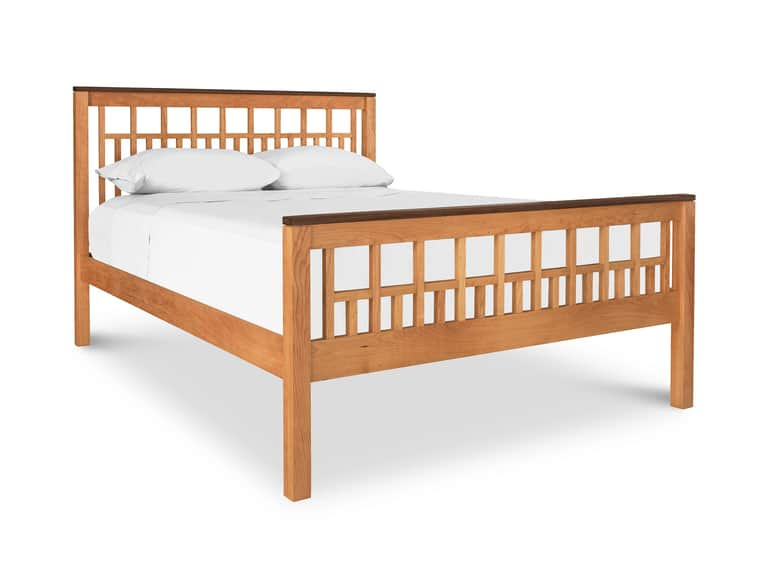
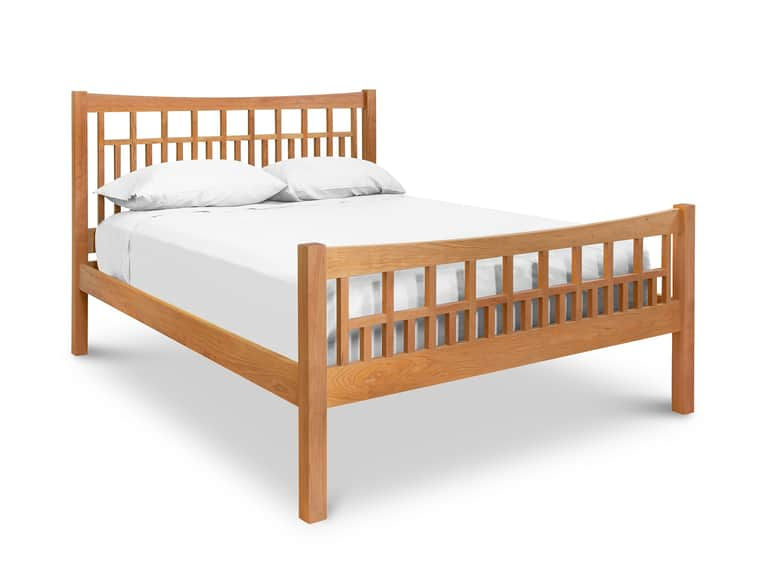
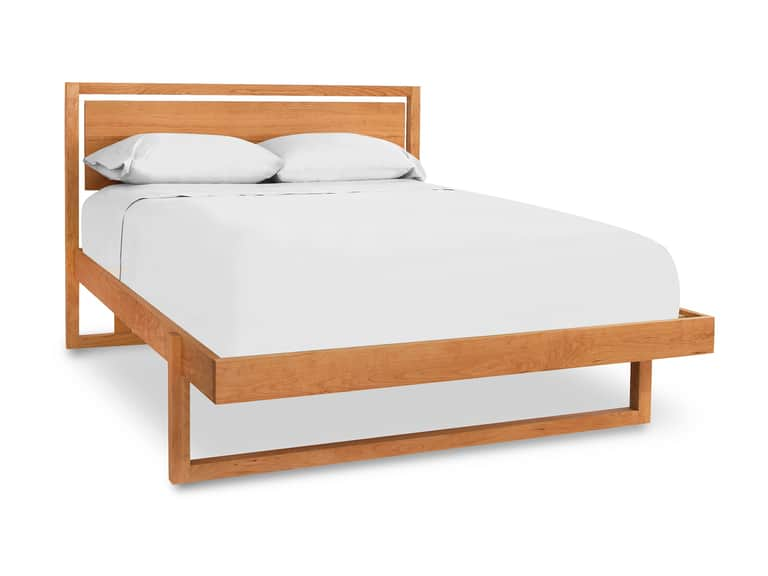
These questions are useful whether a shopper is furnishing a compact New York apartment or a larger home elsewhere. In a city bedroom, the dimensions of the frame, access to the room, ventilation, and the difficulty of moving a heavy mattress can become part of the decision. A carefully chosen bed frame—such as a solid-wood platform design—may provide a stable foundation, but the mattress maker’s support requirements should always take precedence over appearance.
A grounded way to think about an organic mattress
An organic mattress is best understood not as a single kind of bed, but as a construction whose claims can be examined layer by layer. Natural latex can offer responsive cushioning; wool can contribute breathable padding; organic cotton can provide a soft textile surface. Their benefits depend on how they are sourced, processed, assembled, and paired. Certifications make the picture clearer when their scope is understood, but they do not determine comfort, prove every environmental claim, or substitute for careful care.
The most useful mattress description is therefore neither mystical nor evasive. It tells you what is inside, identifies what has been certified, explains how the bed is meant to feel, and states how to maintain it. That information allows a reader to make a choice with fewer assumptions. The point is not to find a label that promises perfection. It is to choose a sleep surface whose materials, support, and upkeep make sense for the person who will use it—night after night, in the quiet ordinary life of a bedroom.