 Bedding
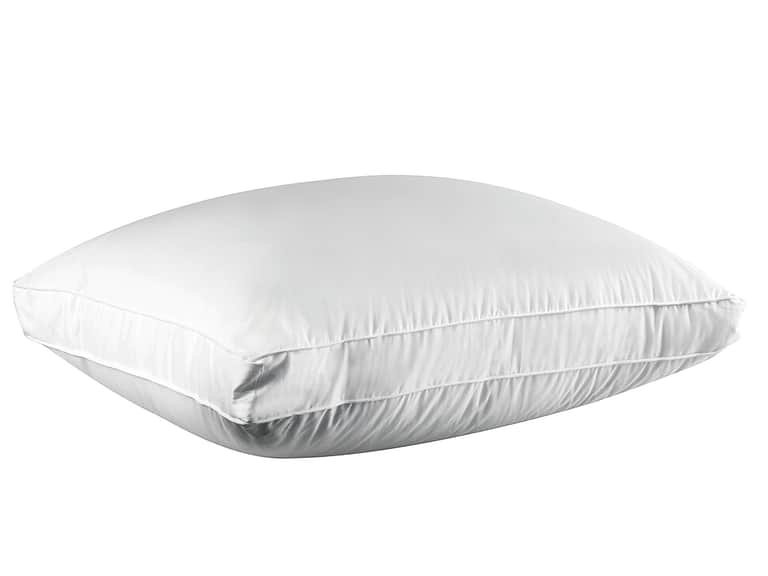
The Clean Bedroom Manhattan Down-Filled Pillows
Experience luxurious support with a high-loft, medium-firm mansions pillow that cradles head and neck, stays fluffy, and keeps you comfortable all night.
Pillows are essential for supported spinal alignment, pressure distribution, and comfortable sleep across various sleeping positions. In this category, materials range from traditional down to memory foam and latex blends, each offering distinct levels of softness, support, and breathability. Understanding pillow construction helps tailor choices to individual sleep styles, reducing neck and shoulder strain over time. Meta keywords such as bedding, pillows, sheets, latex, and adjustable beds reflect the broader sleep environment in which these cushions function.
Down-filled pillows provide plush initial comfort with natural loft, while high-quality down-alternative fills offer similar cushioning for sleepers seeking hypoallergenic options. Core design features to consider include fill power, loft stability, casing fabric, and fill weight. Properly chosen pillow fill supports alignment for the head and neck and can influence breathing comfort during the night. The focus remains on achieving balanced cushioning that preserves spinal curvature.
The Clean Bedroom Manhattan Down-Filled Pillows exemplify premium down support with refined loft and consistent structure. These pillows emphasize softness without sacrificing neck support, enabling gradual compression under head weight. Key benefits include enhanced cooling through breathable shell fabrics and a resilient down cluster that resists clumping, maintaining uniform comfort across sleep cycles.
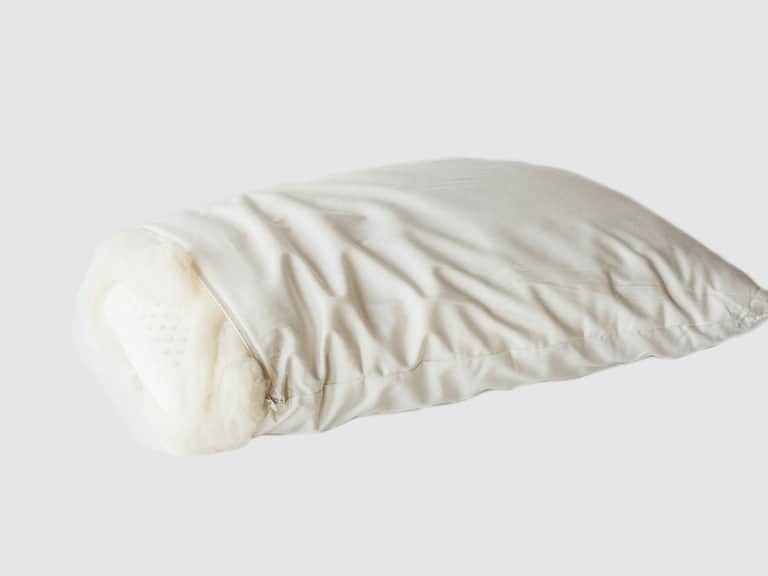
Latex and latex-blend pillows offer responsive support with strong durability and natural breathability. Their resilience helps maintain proper neck alignment while mitigating pressure points. For sleepers who prefer a firmer feel, latex options can deliver consistent support through varying sleep positions, contributing to a stable sleep environment and potentially reducing wakeful discomfort.
When evaluating pillows for an optimal sleep setup, consider compatibility with latex or memory foam sheets, adjustable bed bases, and overall bedding ecosystem. Variations in firmness, fill, and contouring influence ergonomic outcomes, especially for individuals with allergies or sensitivity to materials. Understanding these factors supports informed decisions that align with personal comfort, health considerations, and long-term sleep quality.
Bedding
 Bedding